
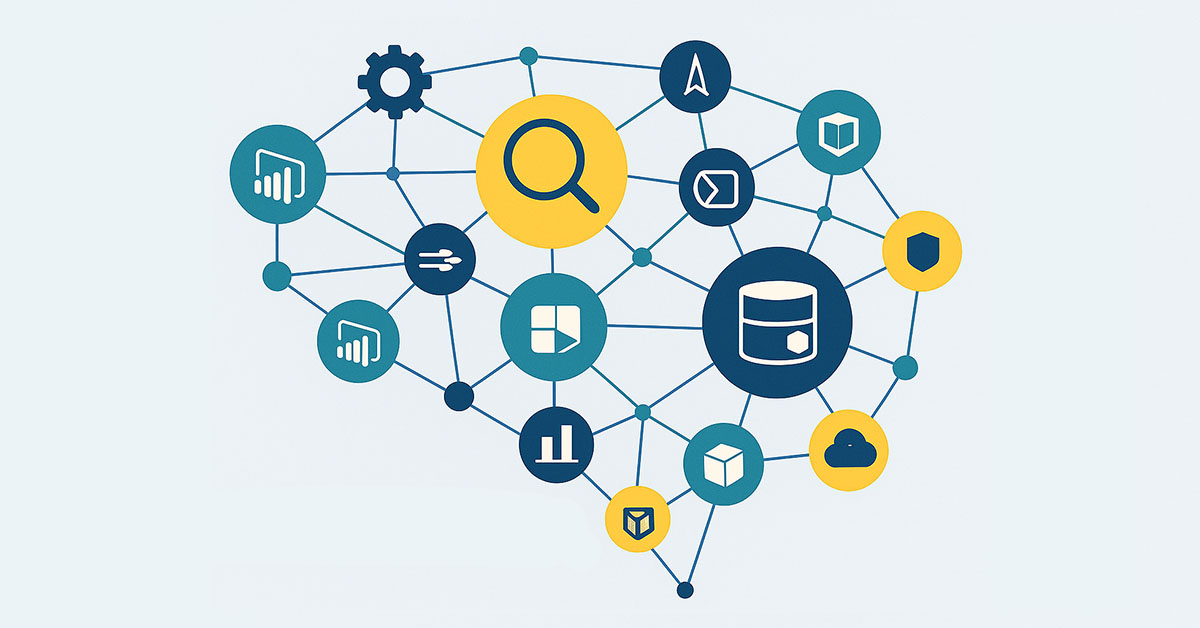
Data is no longer just a technical asset stored in spreadsheets or buried in servers. It has become the engine behind innovation, efficiency, and better decision-making across every major industry. More than that, it’s influencing our daily lives in ways we might not even notice.
Think of data like oil. On its own, it’s raw and not very useful. But once refined and structured, it powers some of the most important tools and systems of modern life. From healthcare and finance to logistics and entertainment, data is reshaping how we work, live, and think.
From Reports to Real Impact
A recent survey by Qualtrics, which gathered insights from over 3,000 research professionals, showed that AI and data tools are helping teams deliver faster and more accurate insights. These teams are no longer just analysing trends. They are playing a direct role in shaping business strategy.
The iSchool at Syracuse University reports that nearly half of companies are already using AI in their daily operations. McKinsey’s latest research suggests the number may be even higher, with over 70 percent of businesses applying some form of AI. In those that use it well, productivity gains have reached more than 60 percent.
This shift isn’t just about better dashboards. It’s about businesses transforming how they operate, from frontline processes to high-level decision-making.
Data’s Role Beyond Business
Some of the most powerful uses of data are happening in healthcare. AI models are now capable of diagnosing diseases from medical scans more accurately and quickly than humans. They can spot early signs of illness that might otherwise go undetected.
Bill Gates has spoken frequently about the role of data in solving global health challenges. He has pointed out that many issues, such as vaccine distribution or disease prevention, are not just financial or logistical problems. They are problems of poor modelling and inadequate data use. When structured properly, data can quite literally save lives.
How Entire Industries Are Changing
Industries like logistics, finance, manufacturing, and retail are being reimagined with data at the centre.
According to the Future Today Institute’s 2025 Tech Trends Report, we are seeing the rise of what they call “agentic AI”. These are systems that make decisions independently and can even collaborate with other systems.
For example, global shipping companies now rely on real-time data to adjust routes, manage customs delays, and reduce downtime. What used to be reactive and slow is now predictive and highly efficient. This isn’t a minor upgrade. It’s a new way of doing business.
Data in Everyday Life
You don’t have to work in tech to benefit from smarter data. You see it every day.
Your phone suggests quicker routes based on traffic conditions. Online shops recommend products based on your browsing habits. Streaming services know what you’re in the mood to watch or listen to.
These features are powered by enormous amounts of structured data. Systems are constantly learning from your behaviour to provide personalised, relevant, and timely experiences. It feels seamless on the surface, but underneath are complex models working at speed and scale.
Insights from the Experts
Bill Gates once said:
“The first rule of any technology used in a business is that automation applied to an efficient operation will magnify the efficiency. Automation applied to an inefficient operation will magnify the inefficiency.”
This highlights a key point. Data by itself is not enough. If the system you plug it into is poorly designed or chaotic, you will only accelerate the problems. True value comes from how well your data is structured, how thoughtfully your models are built, and how clearly your goals are defined.
We are well past the point where data is optional. It is now essential to every successful organisation, every efficient process, and every intelligent system.
But simply collecting data isn’t the answer. Without structure and clear purpose, data becomes noise. It slows you down instead of speeding you up. The difference between success and failure is often how well that data is understood, managed, and applied.
Whether you’re building systems, designing reports, or leading a team, smart data handling gives you a real edge. It helps you act sooner, adapt faster, and deliver better results.